So You’re a Supervisor Now
Becoming a supervisor is a shift in identity, not just a change in title. This post explores how justice system leaders can grow into that role with clarity, purpose, and the support they deserve.

Becoming a supervisor is a shift in identity, not just a change in title. This post explores how justice system leaders can grow into that role with clarity, purpose, and the support they deserve.

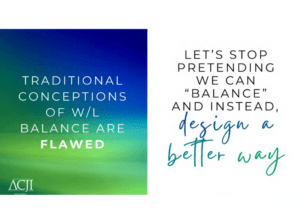
Work-life balance sounds ideal, but it often sets us up to feel like we’re failing. In our recent Learn@Work LIVE webinar, Dr. Alex Walker encouraged justice professionals to shift their focus from balance to alignment by prioritizing energy, attention, and values over perfection. Explore key takeaways and practical tools to help you lead and live with intention.

Discover how to turn strategic planning from a once-a-year document into a daily discipline that drives real results. These 8 practical tips from implementation expert Dr. Nicholas Powell will help your agency stay focused, mission-aligned, and ready to lead with intention.

Maricopa County Juvenile Probation’s Executive Leadership Team participated in ACJI’s Fall 2024 Implementation Leadership Academy, gaining skills to navigate change and enhance leadership. They shared insights on building trust and fostering a culture of innovation.

Belonging cues are a way to encourage connection in the office and when working with clients.

As leaders in human-serving fields, this is an opportunity to apply motivational interviewing (MI) strategies often used in client settings in the office among colleagues.

Strategic planning is a great time for justice agencies and community organizations to reset and generate new team energy.

The camaraderie and the commiseration between alumni may be the biggest advantage to the 102 alumni group we’ve seen thus far.

Capacity building is about creating the infrastructure to implement anything. In this article, we help you assess your organization’s capacity.
Friday, March 13, at 12pm MT
Hear from the director of the Iowa Department of Corrections on how a commitment to culture created the foundation for implementing research-backed practices and significantly reducing recidivism.